
Large Language Models (LLMs) Training in Pune
Classroom • Live Online • Hybrid
The Large Language Model (LLM) training at 3RI Technologies helps learners understand how generative AI systems like GPT models are built and applied in real applications. The program covers Python, machine learning foundations, transformer architecture, and prompt engineering, preparing students for roles such as AI Engineer, NLP Specialist, and Generative AI Developer.
- 4.8/5 from 4,000+ Google Reviews
- 56K+ LinkedIn followers
- Pearson VUE | GASQ | ISO Certified
You’ll get WhatsApp confirmation and email with joining link / campus details.
TRUSTED BY



Get Free Career Counseling
Talk to a counselor in 5 minutes
Having trouble? Call us at 8308103366 or Chat on WhatsApp.
Achievement
Nothing stops you from learning
We provide EMI facility for you


| EMI Plan | Registration | Percent |
|---|---|---|
|
EMI With 0% Interest |
On Registration |
10% |
|
1st installment – 1st month of joining |
70% |
|
|
2nd installment – 2nd month |
20% |
Key Features
Course Duration: 4 months
Project Based Learning
Certification & Job Assistance
Real-Time Projects : 4
EMI Option Available
24 x 7 Support
Overview - Large Language Models (LLMs) Training in Pune
Large Language Models (LLMs) are a major advancement in the field of Artificial Intelligence and Natural Language Processing (NLP). These models are trained on massive datasets to understand patterns in human language and generate contextual responses. Technologies such as conversational assistants, AI-powered coding tools, automated content generation platforms, and intelligent search systems are powered by large language models.
According to research published by McKinsey (2023) and Stanford AI Index Report, generative AI technologies built on LLM architectures are expected to contribute trillions of dollars in economic value globally over the next decade. As a result, companies across industries are actively looking for professionals who understand LLM architecture, prompt engineering, AI workflows, and generative AI applications.
The Large Language Models Training in Pune at 3RI Technologies is designed to help students and professionals understand the technical foundations, architecture, and practical implementation of modern LLM systems. The program focuses on combining conceptual knowledge with real-world AI development practices so learners can understand how generative AI tools are actually built and deployed.
The LLM curriculum at 3RI Technologies focuses on understanding how modern generative AI models such as GPT, Claude, Gemini, and open-source transformer models function in real applications. Students learn how these models process language, generate responses, and power AI systems like chatbots, copilots, and intelligent assistants.
The training also explores the architecture and practical usage of proprietary and open-source LLM ecosystems, helping learners understand how organizations choose between API-based models and self-hosted models for different business use cases.
Key areas covered include:
- Overview of GPT-based models and their applications
• Understanding Claude and Gemini model capabilities
• Working with open-source LLMs such as LLaMA and Mistral
• Prompt engineering strategies for different LLM platforms
• Comparing commercial APIs vs open-source LLM deployment
• Building AI applications using LLM APIs and frameworks
This structured approach helps students understand how modern generative AI systems are built, accessed, and integrated into real-world software products.
Modern LLM applications often require techniques that allow models to work with domain-specific knowledge, enterprise data, and contextual information. The course introduces advanced concepts used by AI engineers to improve LLM performance and accuracy.
Students learn how fine-tuning and retrieval techniques help adapt general-purpose language models for specific business applications such as knowledge assistants, document analysis tools, and enterprise AI systems.
Core topics include:
- Fine-tuning concepts for adapting language models to specialized tasks
• Embeddings and semantic search for understanding contextual meaning in text data
• Vector databases used for storing and retrieving embeddings efficiently
• Retrieval-Augmented Generation (RAG) architectures for combining LLM reasoning with external knowledge sources
• Building AI systems that integrate LLMs with organizational data
These concepts are widely used in enterprise generative AI systems, particularly in applications such as AI knowledge assistants, enterprise search tools, customer support automation, and document intelligence platforms.
Large Language Models have fundamentally changed how machines process language and interact with humans. Modern AI systems such as ChatGPT, Claude, Gemini, and enterprise AI copilots are based on transformer-based LLM architectures.
These models enable machines to perform tasks that previously required human-level language understanding.
Key Applications of LLMs
- Conversational AI and intelligent chatbots
• Automated document summarization
• AI-assisted software development
• Knowledge retrieval and semantic search
• AI-powered customer support systems
• Content generation and marketing automation
According to the Stanford AI Index Report, the adoption of generative AI tools has increased significantly across industries such as technology, finance, healthcare, marketing, and education.
This rapid adoption has created demand for professionals who can work with AI models, prompt engineering, and LLM-based application development.
The training program is designed to help learners understand both the theoretical and practical aspects of Large Language Models.
Students completing the program will gain exposure to:
- Foundations of Artificial Intelligence and Natural Language Processing
• Evolution of language models from statistical NLP to transformer models
• Transformer architecture and attention mechanisms
• Prompt engineering techniques for generative AI systems
• Working with pre-trained LLMs and APIs
• Building LLM-powered applications
• Retrieval-Augmented Generation (RAG) concepts
• AI automation workflows and AI tool integration
The focus of the training is to ensure students understand how generative AI systems work in real-world software environments rather than only studying theoretical AI concepts.
Modern LLM development requires familiarity with programming environments, AI frameworks, and orchestration tools used for building generative AI systems.
The course introduces learners to commonly used technologies in the LLM ecosystem.
Technology | Purpose in LLM Development |
Python | Primary programming language used for AI and machine learning development |
Hugging Face | Open-source ecosystem for working with transformer models |
OpenAI APIs | Integration of large language models into applications |
LangChain | Framework for building AI workflows and LLM-based applications |
Vector Databases | Used for semantic search and retrieval-based AI systems |
Jupyter Notebook | Development environment for experimentation and AI model testing |
Exposure to these tools helps students understand how developers build production-level generative AI systems.
Project-based learning is an essential part of understanding how generative AI systems function in real-world environments.
Students work on practical assignments designed to simulate industry applications of LLM technology.
Example Project Areas
- AI-powered chatbot development
• Prompt-based AI workflow creation
• Document summarization applications
• Question-answering systems using LLMs
• Knowledge retrieval systems using vector databases
• AI automation tools for enterprise workflows
Working on such projects helps learners develop a portfolio demonstrating practical experience with generative AI systems, which is often evaluated by recruiters in AI-related roles.
The LLM Training in Pune at 3RI Technologies follows a structured training methodology focused on guided learning and practical implementation.
The program combines multiple learning methods to support students from different technical backgrounds.
Training Approach
- Instructor-led sessions explaining AI and LLM concepts
• Live demonstrations of AI tools and workflows
• Guided coding exercises and hands-on practice
• Project-based assignments for applied learning
• Mentor support during project development
• Technical discussions and doubt-clearing sessions
This approach helps students move from conceptual understanding to practical AI application development.
Generative AI adoption has created new roles within the AI and software development ecosystem. Professionals who understand LLM architectures and generative AI workflows are increasingly required across technology-driven organizations.
Career Roles Related to LLM Skills
Job Role | Key Responsibilities | Skills Required | Source |
Generative AI Developer | Develop AI applications using LLM APIs | Python, Prompt Engineering, APIs | LinkedIn Jobs |
Machine Learning Engineer | Build and deploy AI models | ML frameworks, Deep Learning | Indeed |
NLP Engineer | Develop language understanding systems | NLP, Transformers | Glassdoor |
AI Application Developer | Integrate AI into enterprise software | APIs, AI workflows | |
AI Research Associate | Conduct research on AI models | Deep learning, research skills | Google Careers |
Reports from LinkedIn Economic Graph and World Economic Forum Future of Jobs Report indicate that AI and machine learning roles are among the fastest-growing job categories globally.
After successfully completing the training program, students receive a certification from 3RI Technologies validating their understanding of:
- Large Language Model concepts
• Prompt engineering techniques
• Generative AI application development
• Hands-on project work
Certification helps learners demonstrate their skills on professional profiles, resumes, and project portfolios.
To support students and working professionals with different schedules, the LLM training program is available in multiple formats.
Training Mode | Description |
Classroom Training | Instructor-led training at the Pune training center |
Online Live Training | Remote learning through live interactive sessions |
Weekend Batches | Designed for working professionals |
Weekday Batches | Structured sessions for students and fresh graduates |
The course structure ensures that learners receive guided training and practical exposure regardless of the chosen learning format.
We are happy to help you 24/7
Prerequisite
Who can apply for this program?
- Graduates who want to become Generative AI engineer.
- BE / BTech / MCA passed aspirants to make their career in Generative AI.
- IT-Professionals who want to get career in Generative AI.
- Professionals from non-IT bkg, and want to establish in IT.
- Candidate who would like to restart their career after a gap.
- Infrastructure Management candidates for next level of their career.
Syllabus- Generative AI Course in Pune
The detailed syllabus is designed for freshers as well as working professionals
Decade Years Legacy of Excellence | Multiple Cities | Manifold Campuses | Global Career Offers
- Explore Artificial Intelligence (AI) and its core pillars: Machine Learning (ML), Natural Language Processing (NLP), Deep Learning (DL), and Reinforcement Learning (RL).
- Trace the history and evolution of AI.
- Discover transformative AI applications in industries like finance, healthcare, and retail.
- Understand the future potential of AI and its role in reshaping technology.
1. Introduction to Python
- Python Installation and setting up your Environment
- Get familiar with various Integrated Development Environments (IDEs) such as IDLE, PyCharm
- Start Python programming by learning to code in an interactive shell.
- Start programming on an interactive shell.
- Python Identifiers, Keywords
- Access Command line arguments within programs.
2. Conditional Statement, Loops and File Handling
- Python Data Types and Variable Condition and Loops in Python Python Modules & Packages
- Python Files and Directories manipulations
- Use various files and directory functions for OS operations
3. Python Core Objects and Functions Built in modules (Library Functions) Numeric and Math’s Module
- String/List/Dictionaries/Tuple
- Complex Data structures in Python Python built in function
- Python user defined functions
- The anonymous Functions – Lambda Functions
- Decorators
- Iterators and Iterable Generators
- Yield keyword
- Iterators Generators Difference
4. Modules & Packages
- Modules
- How to import a module…?
- Packages
- How to create packages
5. Data Manipulation with Pandas
- Data Frames Series
- Creating Pandas DataFrame Selection in DFs
- Data Describe Data info
- Retrieving in DFs
- Reshaping the DFs – Pivot Combining DFs
- Merge
- Concatenation
6. Introduction to NumPy
- Array Operations Arrays Functions
- Array Mathematics
- Mean
- Standard Deviation Max
- Min
- Array Manipulation
- Reshaping
- Resizing
- Random function
- Transpose
7. Visualization with Matplotlib
- Matplotlib Installation
- Matplotlib Basic Plots & it’ s Containers
- Matplotlib components and properties
- Scatter plots Histograms
- Bar Graphs Pie Charts Box Plots
1. Introduction to NLP, Text Preprocessing Methods
- Normalization
- Tokenization
- Stopword Removal
- Stemming & Lemmatization
2. Linguistic and Semantic Analysis
- Part-of-Speech (POS) Tagging
- Named Entity Recognition (NER)
- Sentiment Analysis
3. Text Vectorization Techniques
- Bag of Words (BoW)
- TF-IDF
4. Hands-on NLP Implementation
- Industry-standard library usage:
- spaCy for pipeline construction
- Hugging Face Datasets for model training/evaluation
1.Transformer Architecture Deep Dive
- Self-attention mechanisms
- Encoder-decoder structure
- Foundation models: BERT (bidirectional), GPT (autoregressive), and LLM variants
2. LLM Training Lifecycle
- Pretraining objectives
- Tokenization strategies: Byte-Pair Encoding (BPE), WordPiece and Embedding
- Fine-tuning overview
3. Prompt Engineering Mastery
- Zero-shot, few-shot, and chain-of- thought prompting
- Role-based prompting and persona injection
- Prompt optimization: iterative refinement, constraint specification, and output formatting
4. Hands-on Model Deployment
- Hugging Face Transformers
- Loading pretrained models and tokenizers
- Text generation with controllable parameters (temperature, top- k/p)
- OpenAI API integration:
- Request construction, response parsing, and cost management
- Safety filters and output validation
5. Application Development
- Build task-specific agents: summarizers, classifiers, and content generators
- Evaluate outputs for coherence, factual accuracy, and bias mitigation
1.RAG Architecture Fundamentals
- Workflow: retrieval → context injection → generation
- Advantages over pure LLM inference for domain-specific tasks
2. Embedding & Similarity Search
- Dense text embeddings (e.g., Sentence-BERT, E5)
- Vector similarity metrics: cosine, Euclidean, dot product
- Approximate nearest neighbor search algorithms
3. Document Processing Pipeline
- Data ingestion from diverse sources (PDFs, CSVs, web content)
- Chunking strategies: fixed-size, semantic, and overlap handling
- Metadata enrichment for filtered retrieval
4. Vector Database Implementation
- FAISS for efficient in-memory indexing
- ChromaDB for persistent, metadata- aware storage
- Index optimization and hybrid search (keyword + semantic)
5. Knowledge Bot Development
- Query parsing and intent recognition Context injection techniques:
- Response generation with citation and source attribution
6. RAG System Enhancement
- Query augmentation and expansion
- Re-ranking retrieved results for relevance
- Evaluation frameworks
1.Multimodal AI Foundations
- Multimodal datatypes: text, images, audio, video—and their fusion challenges
2. Key Multimodal Architectures
- CLIP: contrastive image-text pretraining
- BLIP: bootstrapped language-image pretraining for captioning
- Gemini and other unified multimodal foundation models
3. Multimodal Embeddings and Alignment
- Image-text embedding alignment
- Cross-modal similarity search and retrieval
4. Multimodal Application Development
- Image captioning and visual question answering (VQA)
- Multimodal chatbots with vision capabilities
5. Learn Real-World Use Cases
- Customer support automation with visual context
- Content creation: text-to-image generation, video description
1.Multi-Agent System Fundamentals
- Agent definition: autonomy, goals, and environmental interaction
- Collaborative vs. competitive agent architectures
2. Agent Design Principles
- Role specialization and responsibility assignment
- Task decomposition and planning
- Agent Communication protocols
3. Multi-Agent Workflow Orchestration Patterns
- Sequential workflows
- Parallel workflows
- Dynamic routing based on task complexity and agent capability
4. Agent Frameworks & Tooling
- LangGraph for stateful, cyclic agent workflows
- Microsoft AutoGen for conversational agent teams
- Task Automation
5. Advanced Orchestration – Multi-Agent Control Plane (MCP):
- Centralized coordination and scheduling
- Scalable deployment across compute resources
- Resource allocation and load balancing
6. End-to-End Automation
- Build autonomous systems for research, coding, and business process automation
- Monitor agent performance, handle
- failures, and enable self-correction
- Master SQL for data querying and management.
- Design REST APIs using FastAPI or Flask.
- Introduction to Git & Distributed Version Control
- Life Cycle
- Create clone & commit Operations
- Push & Update Operations
- Stash, Move, Rename & Delete Operations.
- Explore model monitoring, data drift, and LLMOps with tools like LangSmith,
MLflow, and Evidently. - Apply AI to domains like finance (fraud detection), healthcare (patient
chatbots), insurance (claim processing), HR (resume parsing), government
(policy summarization), airlines (customer service), and manufacturing (defect
detection).
- Showcase a full-stack Generative AI Capstone Project tailored to a real-world problem.
- Receive personalized feedback from mentors.
- Explore career paths like Prompt Engineer, GenAI App Developer, or AI Consultant.
- Join an exclusive GenAI alumni community for ongoing support.
- Tools & Frameworks: Python, SQL, Pandas, NumPy, Hugging Face, spaCy, LangChain, OpenAI, FastAPI, Streamlit, LangGraph, AutoGen, MLflow, Azure, Docker, and more.
- Mini Projects: Build a Resume Analyzer, PDF Q&A Bot, and Customer Support Assistant.
- Real-World Case Studies: Apply AI to finance, healthcare, insurance, HR, airlines, manufacturing, and government.
- What You’ll Receive: Weekly assignments, private GitHub access, mini project walkthroughs, a course completion certificate, career guidance, and exclusive alumni community access.
Course Highlights

Live sessions across 6 months

Industry Projects and Case Studies
24*7 Support
Project Work & Case Studies
Validate your skills and knowledge
Validate your skills and knowledge by working on industry-based projects that includes significant real-time use cases.
Gain hands-on expertize
Gain hands-on expertize in Top IT skills and become industry-ready after completing our project works and assessments.
Latest Industry Standards
Our projects are perfectly aligned with the modules given in the curriculum and they are picked up based on latest industry standards.
Get Noticed by top industries
Add some meaningful project works in your resume, get noticed by top industries and start earning huge salary lumps right away.
Batch Schedule
Schedule Your Batch at your convenient time.
Sr. No.
Module Name
Batch Start Date
Batch Days
Timing
Enroll
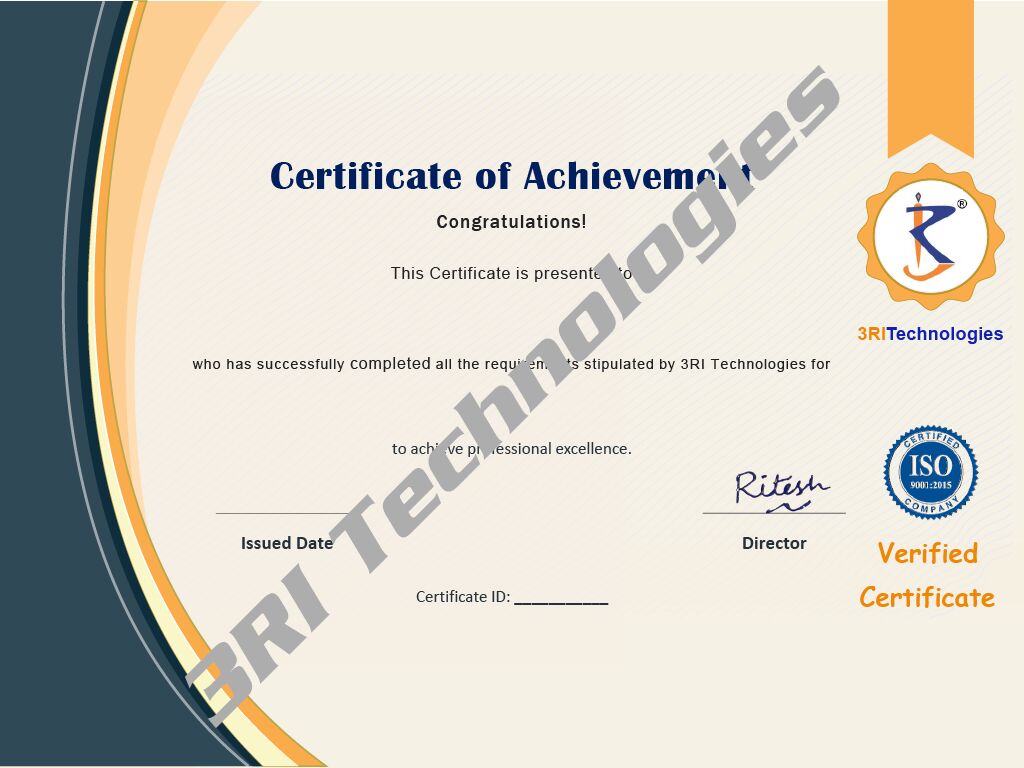
Training Certificate
Earn your certificate
Your certificate and skills are vital to the extent of jump-starting your career and giving you a chance to compete in a global space.
Admission Process
Schedule Your Batch at your convenient time.

Submit Application
Tell us a bit about yourself and why you want to join this program

Application Review
An admission panel will shortlist candidates based on their application

Admission
Selected candidates will be notified within 1–2 weeks
Placement Lifecycle

Eligibility Criterion

Interview Q & A

Resume & LinkedIn Formation

Aptitude Test & Soft Skills

“SuperOver” A 5-Day Program for Mock Interviews

Scheduling Interviews

Job Placement
Looking to Create an Outstanding LinkedIn Profile?
Looking to Create an Outstanding LinkedIn Profile?
Tools to master






Skills to master
AWS EC2
S3
ELB
Maven
Jenkins
Git
Linux
Aptitude
Reasoning
Soft Skills
Lambda Functions
Nagios
Access Management
Certification Preparation
Agile
Python
SQL
Frequently Asked Questions About Large Language Models (LLMs) Training
Most frequent questions and answers
The LLMs Training in Pune at 3RI Technologies covers key concepts such as prompt engineering, LLM APIs, embeddings, vector databases, and building AI-powered applications. The Large Language Models course in Pune focuses on practical implementation so learners understand how Generative AI systems are used in real projects.
The LLM course in Pune is suitable for students, developers, data professionals, and anyone interested in learning Generative AI technologies. At 3RI Technologies Pune, the training is structured to help both beginners and experienced professionals understand Large Language Model development.
3RI Technologies Pune offers industry-focused LLMs Training in Pune with a strong focus on practical skills. The training approach includes real-world examples, hands-on learning, and guidance from trainers experienced in AI and Generative AI technologies.
Yes, project work and hands-on activities are part of the Large Language Models Training in Pune. Students at 3RI Technologies are exposed to developing basic LLM-based applications, AI assistants, and generative AI solutions utilised in actual corporate settings.
The LLMs course in Pune introduces tools and frameworks used in modern Generative AI development. Learners explore prompt engineering techniques, API integrations, and LLM development concepts that are commonly used in AI-driven software applications.
The duration of LLMs Training in Pune depends on the batch format and learning schedule. At 3RI Technologies, the course is designed to cover both foundational concepts and practical Generative AI implementation within a structured learning timeline.
Yes, both students and working professionals can benefit from the Large Language Models Training in Pune. Professionals can enhance their Generative AI and LLMs development abilities in addition to their present employment by taking use of 3RI Technologies Pune’s flexible learning schedules.
Learners gain expertise in quick engineering, LLMs application building, and comprehension of Generative AI processes through the LLMs Training in Pune. Professionals in the fields of software development, data, and artificial intelligence are starting to value these skills.
The Large Language Models course in Pune begins with core concepts before moving into advanced topics. While some technical knowledge is helpful, the structured training at 3RI Technologies helps learners gradually understand LLMs technologies and Generative AI tools.
To join the LLMs Training in Pune, you can connect with the 3RI Technologies Pune team through their website or training coordinators. They provide details about batch schedules, course modules, and guidance for starting your Generative AI learning journey.
Yes, the training integrates business-oriented case studies. Students gain a better understanding of how generative AI is used in actual business settings due to these exercises. Practical problem-solving is the main focus.
Yes, 3RI Technologies offers classroom training in Pune. Hybrid learning options are also available for flexible participation. The format that works best for them can be selected by the students.
Periodically, the curriculum is examined and updated to take consideration new developments in AI technology. Industry trends and employer requirements are considered while refining modules.
Yes, working professionals are included in the program’s design. Learning and work obligations can be balanced with the use of set times and flexible batch scheduling.
Yes, students learn the fundamentals of integrating and deploying AI models into applications. This ensures understanding beyond model building and into practical implementation.
The program emphasizes practical exposure, structured mentorship, and career-focused preparation. The goal is skill development aligned with real industry expectations.
Yes, students complete multiple projects and assignments.These can be used in interviews or portfolios. Portfolio development is encouraged throughout the training.
Generative AI is increasingly adopted across industries for automation and intelligent systems. Learning these skills positions students for emerging AI-driven roles.
You can connect with the 3RI Technologies counseling team for batch details and enrollment guidance. They will provide complete information about schedules and next steps.
I'm Interested in This Program

Get Free Career Counseling
Talk to a counselor in 5 minutes
Having trouble? Call us at 8308103366 or Chat on WhatsApp.
Our Clients


























Our Cloud Computing Online Programs
AWS Information
- AWS Job Roles And Responsibilities
- Top 10 Job Oriented Courses After Graduation
- 12 Major Causes of Failure in Career
- AWS Interview Questions and Answers
- How To Become A Cloud Engineer?
- How to become aws certified trainer
- AWS Vs Salesforce
- Best Technologies To Learn In IT Industry 2022
- Reasons To Go For AWS
- AWS Vs. Azure Vs. Google Cloud
- Which is Better, AWS vs Google Cloud?
- Which AWS Certification Should I Get in 2024, and Why?
- What is AWS CLI?
- What is AWS Elastic Beanstalk?
- What is Amazon FSx?
- What is AWS Redshift?
- What is an EC2 instance?
- What is AWS API Gateway?
- What is an AWS Lambda?
- What is AWS Management Console?
- Advantages and Disadvantages of Cloud Computing
- What is AWS?
- Concept of API Testing
- What is AWS DevOps?
- What is AWS Cloudformation?
- What is AWS IAM?
- What is SNS in AWS?
- What is AWS S3?
- What Is AWS DynamoDb?
- What Is AWS Route 53?
- AWS Vs. OpenStack
- AWS Cloud Engineer Salary
- Resource Pooling in Cloud Computing - Architecture and Approaches
- Cloud Computing Interview Questions and Answers
- How to Become a Cloud Consultant
- Be the Best AWS Professional with 3RI AWS Training in Pune
- Advantages Of Cloud Computing
- List of DevOps Tools
- What is Microsoft Azure?
- Azure Interview Questions and Answers
Our Gallery
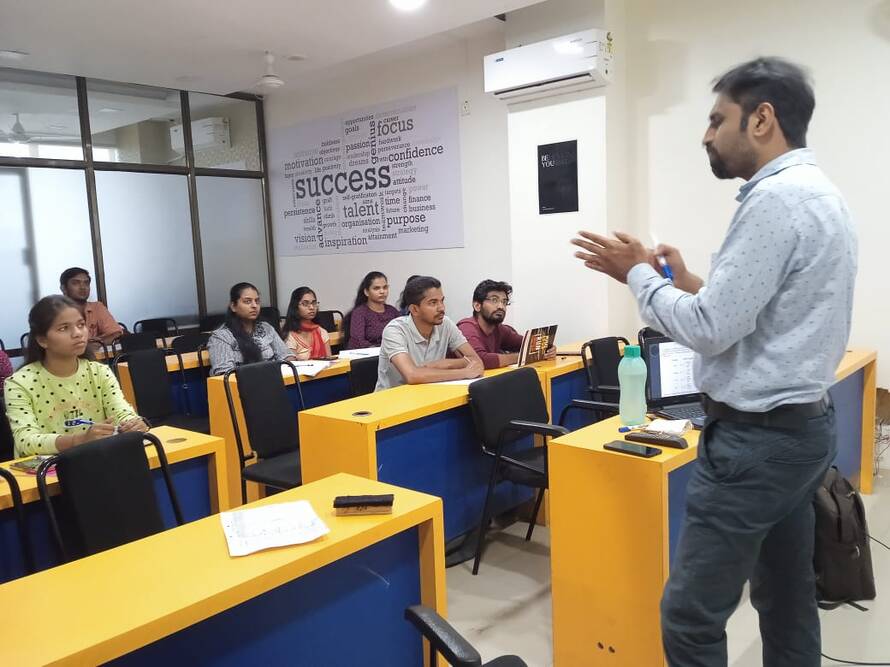
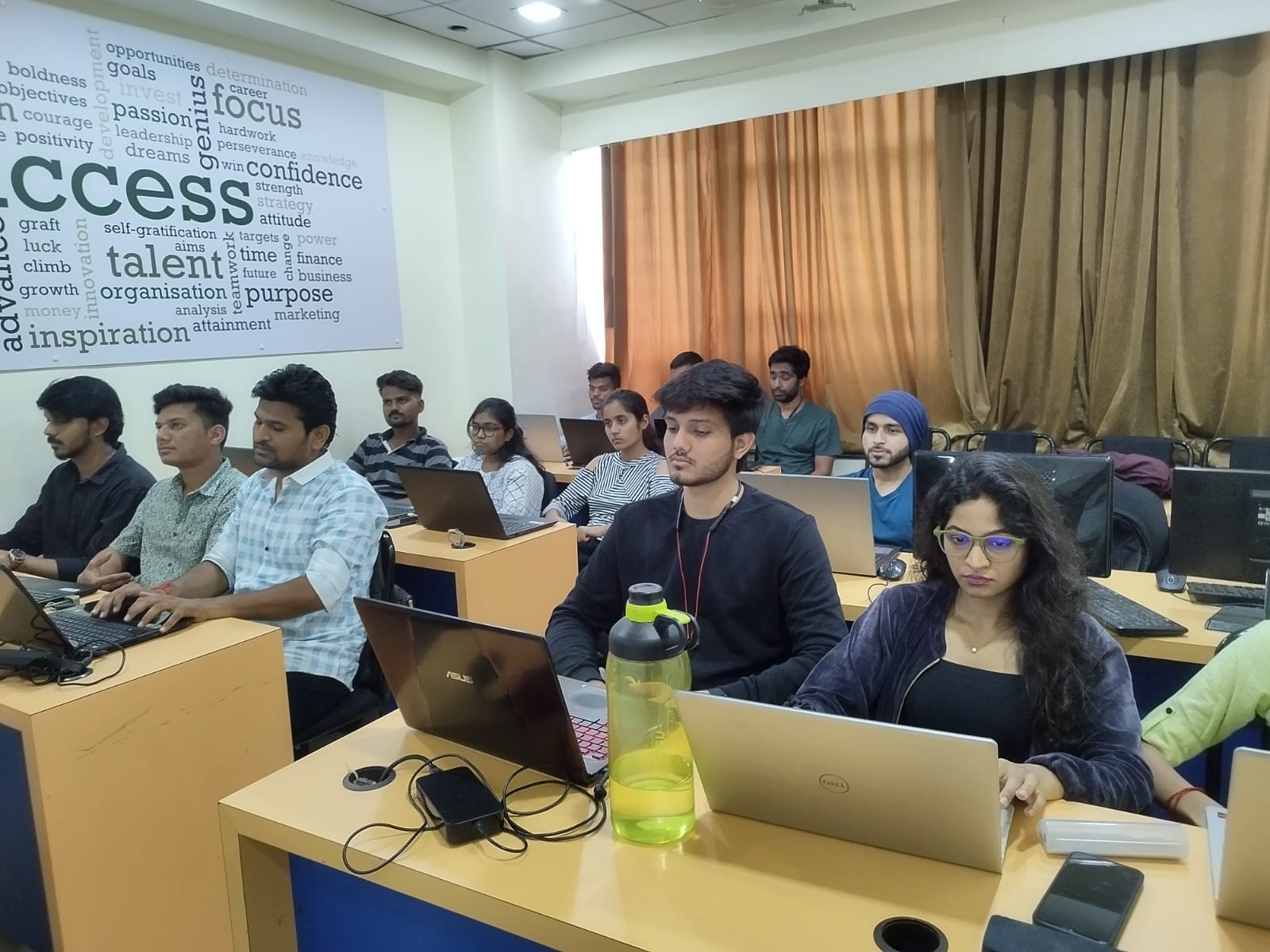
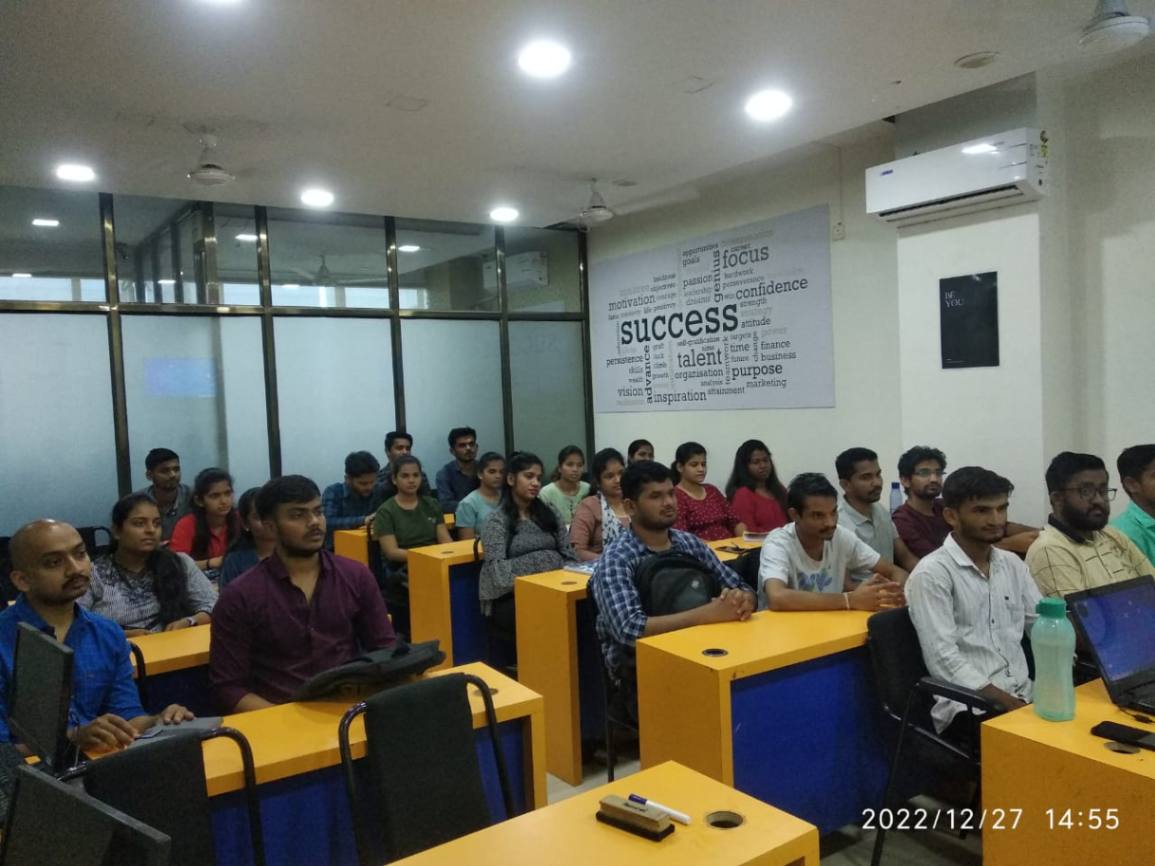
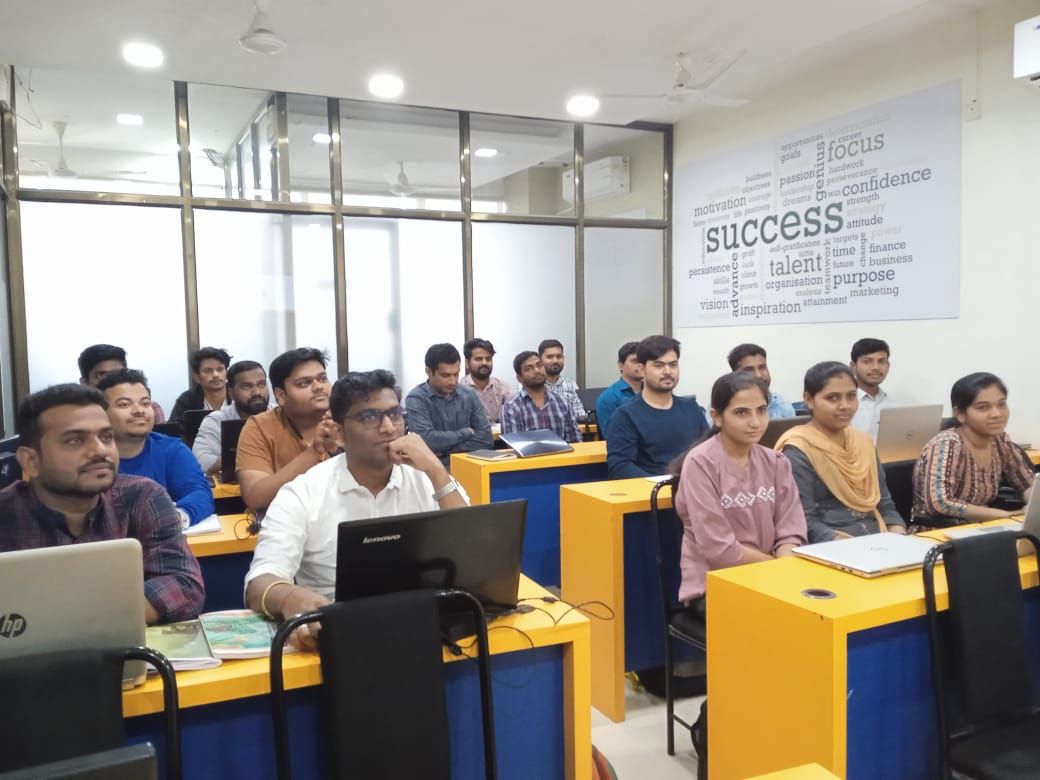
Pune is considered a student’s Paradise
Queen of the Deccan or Oxford of the East, Pune is known by various names because of its wonders. And why not? Most of the top universities and professional courses are established here. It is counted as the second-largest IT hub in India. Having a population of about 5.05 million, Pune is a livable city witnessing a peaceful and beautiful aura. Being a charming fusion of contemporary and traditional, Pune experiences several tourist attractions yearly.
Some of the most visited attractions of Pune are:
- Sinhagad Fort
- Shaniwar Wada
- BAPS Swaminarayan Temple
- Aga Khan Palace
- Saras Bag
- Pashan Lake
- Khadakwasla Dam
Undoubtedly, Pune is considered a student’s paradise and continuously sees growth. Students from all over India show interest in enrolling in different courses offered by various organizations.
The great job opportunities, fantastic weather, and unsurpassed education make this place the best. Savitribai Phule Pune University, run by women only, is now positioned in 9th among the top 10 universities in India. This clearly shows the rich legacy of Pune and why students prefer to come here for their bright future.
Pune offers over 800 colleges that cover over 400-course programs in numerous disciplines. It’s not just the University of Pune; other universities and private institutions offer multiple courses. For every reason, Pune provides everything to prospective students so that they can see their bright future ahead.
3RI Technologies is a world-renowned institute offering Software Development courses to aspiring professionals. Our course helps you in mastering Cloud Computing, Web Technologies, AI, and machine learning technologies. You will get hands-on experience to get a clear idea.
Generative AI Certification Training
Locations Offered: Generative AI Course in Aundh, Generative AI Training in Kothrud, Generative AI Classes in Baner, Generative AI Classes in Pimpri Chinchwad, Generative AI Classes in Shivajinagar, Generative AI Classes in Karve Nagar, Generative AI Classes in Sangavi, Generative AI Classes in Deccan, Generative AI Course in Katraj, Generative AI Training in Warje, Generative AI Certification Course in Bavdhan, Generative AI Certification Classes in Vishal Nagar, Generative AI Certification Course in Pimple Gurav, Best Generative AI Training in Pune, Best Generative AI Course in Pune