
Cyber security course in Pune
Classroom • Live Online • Hybrid
Advance your career with the most in-demand Cyber Security course in Pune at 3RI Technologies, a leading Cyber Security training institute in India. No matter your experience level—beginner or professional—our cybersecurity courses, available both online and offline, are thoughtfully designed to suit learners at every stage. With expert trainers, hands-on assignments, and intensive classroom & online sessions, you’ll gain the practical skills needed to tackle enterprise security challenges and safeguard critical infrastructures. We offer 100% job placement assistance to ensure you secure positions in leading companies across the cybersecurity industry.
- 4.8/5 from 4,000+ Google Reviews
- 56K+ LinkedIn followers
- Pearson VUE | GASQ | ISO Certified
You’ll get WhatsApp confirmation and email with joining link / campus details.
TRUSTED BY

Get Free Career Counseling
Talk to a counselor in 5 minutes
Having trouble? Call us at 8308103366 or Chat on WhatsApp.
Achievement
Nothing stops you from learning
We provide EMI facility for you


| EMI Plan | Registration | Percent |
|---|---|---|
| EMI With 0% Interest | On Registration | 10% |
| 1st installment – 1st month of joining | 70% | |
| 2nd installment – 2nd month | 20% |
Key Features
Course Duration : 6 months
Project Based Learning
Certification & Job Assistance
Real-Time Projects : 5+
EMI Option Available
24 x 7 Support
Cyber Security Training Overview in Pune
Cyber Security Course Description
Stage 1: Networking Concepts and Linux Administration (1 Months)
The first stage of the cybersecurity course at 3RI Technologies focuses on building a strong foundation in networking concepts and Linux system administration, crucial skills for any aspiring cybersecurity professional. In this phase, students will:
- Understand networking fundamentals, including LAN, WAN, IP addressing (IPv4/IPv6), routing, switching, and basic configurations.
- Get hands-on training on real networking devices and tools to simulate practical environments.
- Learn Linux commands, file systems, user and permission management, and server basics, as Linux plays a key role in ethical hacking and cybersecurity tools.
- Set up and manage network configurations and troubleshoot connectivity using industry best practices.
By the end of this stage, learners will have the essential technical groundwork required to move forward in advanced cybersecurity modules such as ethical hacking and VAPT training.
Stage 2: (CEH V13 + Global Certification) (2 months)
CEH V13 is the most recent version launched by EC-Council in the domain of Cybersecurity. As a core-level certification, CEH is essential for professionals seeking a strong foundation in ethical hacking. This course equips learners with a deep understanding of hacking techniques and tools, while teaching how to use them legally and responsibly. The training emphasizes both theoretical knowledge and hands-on practice with industry-relevant tools.
Why Choose CEH at 3RI Technologies?
- Get instruction from instructors who have practical cybersecurity experience.
- Small, focused batches of only 5–7 students for personalized learning
- Hands-on, practical training aligned with real-world scenarios
- Emphasis on live, interactive sessions with full doubt resolution
- Separate batches for individual learners and corporate professionals
- Exclusive study materials tailored for exam success
Stage 3: VAPT Training (Vulnerability Assessment and Penetration Testing) (3 months)
The CEH certification helps learners adopt a hacker’s mindset, which is essential for stepping confidently into Vulnerability Assessment and Penetration Testing (VAPT). This fundamental course establishes the framework for comprehending how systems are compromised and how to responsibly stop those breaches.
In order to identify and address security flaws before they may be exploited, VAPT is a crucial industry compliance requirement. It provides thorough analysis and reports that support the development of an organization’s cybersecurity infrastructure.
Focus Areas for VAPT Training:
- Mobile Application Penetration Testing
- Network Penetration Testing
- Penetration testing of web applications
The VAPT course at 3RI Technologies is a rigorous, 3-month program with over 100 hours of hands-on, practical training. Learners are trained in advanced VAPT techniques and methodologies, enabling them to conduct full-scale security audits, generate professional VAPT reports, and provide strategic analysis of IT infrastructures aligned with global standards and frameworks.
Cyber security course : Key Highlights
- In-depth and industry-relevant curriculum
- 96% successful certification rate
- Hands-on experience with real-time scenarios
- Training led by certified and skilled professionals
- Focused on job-ready skills and placement support
- Engaging, instructor-led educational sessions
Why Choose a VAPT Career
- High number of employment positions with competitive wage packages
- Constant need for qualified and certified cybersecurity specialists
- Quickly growing sector with excellent career prospects
- Entry-level opportunities available for fresh graduates
- Specialized skillset ensures better pay compared to other domains
Average package
The average salary package for our placed students ranges between ₹ 3.0 L to ₹ 6.0 L per annum, depending on individual performance during interviews and specific company requirements. This comprehensive 6-month cybersecurity program is designed to take learners from foundational concepts to advanced topics, with a strong emphasis on job readiness and placement support.
On completing the program, every student will receive dedicated placement assistance. With our broad network of cybersecurity companies and hiring partners, we offer access to some of the best opportunities in the field. This program is intensive and demands active participation and dedication. Students are expected to fully commit to both the technical training and career preparation sessions.
Our goal is to upskill you with the skills, practical knowledge, and confidence required to build a successful career in the growing world of cybersecurity.
Career Opportunities After Completing the Cyber security course
- Information Security Engineer
- Information Security Analyst
- Application Security Engineer
- Cyber Threat Analyst
- Penetration Tester (Ethical Hacker)
- Vulnerability Assessment Analyst
- Security Engineer
- Cyber Defense Analyst
- Security Operations Analyst
- Consultant for Security
We are happy to help you 24/7
Our expert career counsellor will call you within 30 min*
Prerequisite
Who can apply for this program?
- Software Developers and System Admins interested in Deploying Applications on AWS
- Project Managers or Solutions Architects.
Cyber security Course Syllabus
The detailed syllabus is designed for freshers as well as working professionals
Decade Years Legacy of Excellence | Multiple Cities | Manifold Campuses | Global Career Offers
1. Linux Foundations
- Introduction to Linux and its flavours
2. Linux Distributions
- Red Hat family: RHEL, CentOS
Stream, Rocky Linux (AWS EC2
default relevance) - Debian family: Debian, Ubuntu (most
used in cloud & containers) - SUSE (enterprise use)
- Amazon Linux (AWS-optimized)
3. Linux architecture
4. Linux Installation
5. Concept of Files and Directories in
Linux
- File System
- Directory Structure (FHS
Filesystem Hierarchy Standard)
6. User and Group Policies
- User management
- Group Management
- Permissions & Ownership
7. Unix / Linux General Commands
- File & Directory Commands
- ls, pwd, cd
- touch, mkdir, rmdir
- cp, mv, rm
- file, stat
- File Viewing & Editing
- cat, less, more
- head, tail
- nano, vi/vim
- Search & Text Processing
- grep
- find
- awk
- sed
- sort, uniq, wc
- Access Permissions & Ownership
- chmod
- chown
- umask
- Process Management
- ps, top, htop
- kill, killall
8. Vi Editor
- Modes in Vi
- Command Mode (Default)
- Insert Mode
- Last Line Mode (Ex Mode)
- Basic Insert Commands
- Save & Exit Commands
- Editing commands
1. Introduction to Databases & MySQL
- What is a Database?
- Why use a Database?
DBMS vs RDBMS - Introduction to SQL & MySQL
- Database vs DBMS vs
- SQL vs MySQL
- Installing & Configuring MySQL
- MySQL Architecture: How MySQL
Works - MySQL Clients: CLI & Workbench
- Connecting to MySQL Server
2. Working with Databases & Tables
- Creating and Using Databases
- Dropping Databases
- Creating Tables (CREATE TABLE)
- Viewing Table Structure (DESCRIBE)
- Renaming & Dropping Tables
- Data Types in MySQL
- Numeric
- String
- Date/Time
- CHAR vs VARCHAR, INT types
- Data Constraints: Primary Key,
Foreign Key, NOT NULL, UNIQUE,
CHECK, DEFAULT
3. SQL Fundamentals
- SQL Command Categories
- DDL (CREATE, ALTER, DROP)
- DML (INSERT, UPDATE, DELETE)
- DQL (SELECT)
- DCL (GRANT, REVOKE – basic
only) - TCL (COMMIT, ROLLBACK)
4. Data Manipulation & Transactions
- Inserting Data (INSERT INTO)
- Updating Data (UPDATE)
- Deleting Data (DELETE)
- Transactions: BEGIN, COMMIT,
ROLLBACK
5. Querying & Filtering Data
- SELECT Statement
- Filtering Data with WHERE
- Comparison & Logical Operators
- =, <>, >, <, >=, <=
- AND, OR, NOT
- BETWEEN / NOT BETWEEN
- IN / NOT IN
- IS NULL / IS NOT NULL
6. Sorting, Aggregation & Subqueries
- Sorting Results with ORDER BY
- Aggregate Functions: COUNT, SUM,
AVG, MIN, MAX - GROUP BY and HAVING
- Subqueries (single-row & multi-row)
- Exporting / Importing MySQL
Databases7
7. Functions
- Character functions
- Number functions
- Date functions
8. Working with Joins
Why Joins?
- CROSS JOIN
- INNER JOIN
- LEFT & RIGHT
- OUTER JOIN
- UNION vs UNION ALL
9. Database Design & Optimization
Basics
- Principles of Database Design
- Relationships: One-to-One, One-to
Many, Many-to-Many - Normalization vs Denormalization
(1NF, 2NF, 3NF only)
Course Introduction
Course Components
Importance of OS in Cyber Security
IT Security & Risk Concepts
- Risk
- Threats
- Exploits
- Vulnerability
- Basics of Enterprise IT risk mitigation
- Fundamentals of NIST Cybersecurity Framework (CSF)
- MITRE Framework
General security concepts
- Security controls: comparing technical, preventive, managerial, deterrent,
operational, detective, physical, corrective, compensating, and directive
controls. - Fundamental concepts: summarizing confidentiality, integrity, and availability
(CIA); non-repudiation; authentication, authorization, and accounting (AAA);
zero trust; and deception/disruption technology. - Change management: explaining business processes, technical implications,
documentation, and version control. - Cryptographic solutions: using public key infrastructure (PKI), encryption,
obfuscation, hashing, digital signatures, and blockchain.
Endpoint Security
- What and why of Endpoint Security
- Threat vectors and challenges for organisation relating to EPS
- Tackling Malwares
- Remote Code Execution
- Data Theft
- Software Compliance
- Various IT Security Technologies for EPS
- EDR/XDR
- NGAV
- MDM
- SASE
- DLP
- ZTNA
1. Network Security Fundamentals
- SecuringRouters & Switches
- Implement AAA on Cisco routers using local router database and external ACS
- Mitigate threats to Cisco routers and networks using ACLs
- Implement secure network management and reporting
- Mitigate common Layer 2 attacks
- Implement the Cisco IOS IPS feature set using SDM
- Implement site-to-site VPNs on Cisco Routers
- Mitigate common Layer 3 4 7 attacks
2. WLAN Security
- Overview of the importance of wireless security.
- Detailed explanation of each protocol, including how they work and their
cryptographic fundamentals. - Hands-on setup of WLAN using WEP, WPA, and WPA2 in a controlled
environment. - Discuss the vulnerabilities of each protocol and the improvements made from
WEP through WPA-3. - Overview of additional security measures beyond encryption, such as network
segmentation, secure setup, and management of access points. - Evolution of WLAN security measures and why security needs have changed.
- Discuss the role of AAA (Authentication, Authorization, and Accounting) in
enhancing WLAN security. - Importance of choosing the right protocol for different environments.
- Using tools like Wireshark to capture and analyze traffic on WLAN networks
secured with different protocols.
1. Introduction to System and Network Hardening
- Overview of the importance and objectives of system hardening.
- General principles and best practices across systems and networks.
2. Hardening Windows and Linux Systems
- Key strategies for securing Windows environments.
- Essential Linux server security tips.
- Configuring security policies and user rights.
- Implementing audit policies and monitoring with Windows Security Logs.
- Managing user privileges, services, and network configurations.
- Setting up and configuring SELinux.
- Implementing firewall rules using iptables or firewalld.
- Managing user accounts, permissions, and security-enhanced Linux (SELinux)
settings.
3. Application and Message Hardening Through Cryptography
- Techniques for securing applications against common vulnerabilities (such as
buffer overflows, SQL injection). - Using sandboxing, input validation, and dependency management.
- Ensuring message confidentiality and integrity using cryptographic methods.
- Overview of encryption, digital signatures, and hashing for securing data.
- Encrypting and decrypting messages using tools like OpenSSL.
- Generating and verifying digital signatures.
4. Authentication Mechanisms and Network Hardening with IPSec and Other
Protocols
- Role of authentication in securing access to resources.
- Encrypting and decrypting messages using tools like OpenSSL.
- Generating and verifying digital signatures.
- Using IPSec for secure network communications.
- Introduction to the legal framework governing cyber security in India.
- Importance of understanding these laws before engaging in ethical hacking
and testing. - Detailed discussion on the IT Act, focusing on provisions related to
cybersecurity. - Penalties and remedies under the IT Act for various cyber offenses.
- How the IT Act addresses data protection, privacy, and cyber crimes.
- Introduction to the Indian Computer Emergency Response Team (CERT-In).
- CERT-In’s mandate and its role in handling cybersecurity incidents.
- Reporting requirements for cybersecurity incidents and the types of
assistance CERT-In provides. - Discussion on the Securities and Exchange Board of India’s expectations for
cybersecurity in the capital market. - Specific cybersecurity practices mandated for financial institutions to protect
against cyber threats. - Key International Cybersecurity Laws and Regulations
- Overview of the Reserve Bank of India’s guidelines for cybersecurity in the
banking sector. - Analysis of SEBI circulars concerning cyber security frameworks, audits, and
compliance requirements for market intermediaries.
General security concepts
- Security controls: comparing technical, preventive, managerial, deterrent,
operational, detective, physical, corrective, compensating, and directive
controls. - Fundamental concepts: summarizing confidentiality, integrity, and availability
(CIA); non-repudiation; authentication, authorization, and accounting (AAA);
zero trust; and deception/disruption technology. - Change management: explaining business processes, technical implications,
documentation, and version control. - Cryptographic solutions: using public key infrastructure (PKI), encryption,
obfuscation, hashing, digital signatures, and blockchain.
- Threat actors and motivations: comparing nation-states, unskilled attackers,
hacktivists, insider threats, organized crime, shadow IT, and motivations like
data exfiltration, espionage, and financial gain. - Threat vectors and attack surfaces: explaining message-based, unsecure
networks, social engineering, file-based, voice call, supply chain, and
vulnerable software vectors. - Vulnerabilities: explaining application, hardware, mobile device, virtualization,
operating system (OS)-based, cloud-specific, web-based, and supply chain
vulnerabilities. - Malicious activity: analyzing malware attacks, password attacks, application
attacks, physical attacks, network attacks, and cryptographic attacks. - Mitigation techniques: using segmentation, access control, configuration
enforcement, hardening, isolation, and patching.
Soft Skills
1. Self-Analysis
- Know yourself
- Personality types
- Areas of interest
2 Self-Discoveryy
- SWOT Analysis – strength, weakness,
- opportunities, threats
3. Goal Setting
- Short-term plan
- Long-term plan Effective
- Time-management
4. Effective Self-Presentation
- Personal grooming, Dressing, Hygiene
5. Effectivee Communication
- Verbal – Language
- Voice modulation – Tone, Pitch
- Clarity of Speech
- Listening skills – Active Listening,
- Selective Listening
- Written communication – general
- business correspondence
6. Email Etiquette SOFT SKILLS
7. Body Language
- Understanding non-verbal
- communication
- Postures, Gestures, Eye contact
8. Tips to prepare an impressive Resume
9. Tips for Group Discussion
10. Handling Telephonic interview
11. Mock – Technical interview
12. Mock – Personal Interview (PI)
13. Office Etiquettes and Mannerisms
Aptitude
1. Quantitative Aptitude
- Number Systems
- LCM and HCF
- Percentages
- Profit, Loss, and Discount
- Interest (Simple and Compound)
- Speed, Time, and Distance
- Ratio and Proportion
- Probability
- Permutation & Combination
- Time and Work
- Heights and Distances
2. Logical Reasoning
- Number and Letter Series
- Calendars
- Clocks
- Logical Sequence
- Blood Relations
- Ages Speed math
- Mixture & Allegations
- Trains,Boats & Streams
- Coding & Decoding
- Simplification
- Seating arrangements
- Puzzles
- Sequence
Course Highlights

Live sessions across 2 months

Industry Projects and Case Studies
24*7 Support
Cyber Security Course Syllabus
The detailed syllabus is designed for freshers as well as working professionals
Decade Years Legacy of Excellence | Multiple Cities | Manifold Campuses | Global Career Offers
- Risk
- Threats
- Exploits
- Vulnerability
- Basics of Enterprise IT risk mitigation
- Fundamentals of NIST Cybersecurity Framework (CSF)
- MITRE Framework
- What and why of Endpoint Security
- Threat vectors and challenges for organisation relating to EPS
- Tackling Malwares
- Remote Code Execution
- Data Theft
- Software Compliance
- Various IT Security Technologies for EPS
- EDR/XDR
- NGAV
- MDM
- SASE
- DLP
- ZTNA
- Securing Routers & Switches
- Implement AAA on Cisco routers using local router database and external ACS
- Mitigate threats to Cisco routers and networks using ACLs
- Implement secure network management and reporting
- Mitigate common Layer 2 attacks
- Implement the Cisco IOS IPS feature set using SDM
- Implement site-to-site VPNs on Cisco Routers
- Mitigate common Layer 3 4 7 attacks
- Overview of the importance of wireless security.
- Detailed explanation of each protocol, including how they work and their cryptographic fundamentals.
- Hands-on setup of WLAN using WEP, WPA, and WPA2 in a controlled environment.
- Discuss the vulnerabilities of each protocol and the improvements made from WEP through WPA-3.
- Overview of additional security measures beyond encryption, such as network segmentation, secure setup, and management of access points.
- Evolution of WLAN security measures and why security needs have changed.
- Discuss the role of AAA (Authentication, Authorization, and Accounting) in enhancing WLAN security.
- Importance of choosing the right protocol for different environments.
- Using tools like Wireshark to capture and analyze traffic on WLAN networks secured with different protocols.
Introduction to System and Network Hardening
- Overview of the importance and objectives of system hardening.
- General principles and best practices across systems and networks.
Hardening Windows and Linux Systems
- Key strategies for securing Windows environments.
- Essential Linux server security tips.
- Configuring security policies and user rights.
- Implementing audit policies and monitoring with Windows Security Logs.
- Managing user privileges, services, and network configurations.
- Setting up and configuring SELinux.
- Implementing firewall rules using iptables or firewalld.
- Managing user accounts, permissions, and security-enhanced Linux (SELinux) settings.
Application and Message Hardening Through Cryptography
- Techniques for securing applications against common vulnerabilities (such as buffer overflows, SQL injection).
- Using sandboxing, input validation, and dependency management.
- Ensuring message confidentiality and integrity using cryptographic methods.
- Overview of encryption, digital signatures, and hashing for securing data.
- Encrypting and decrypting messages using tools like OpenSSL.
- Generating and verifying digital signatures.
Authentication Mechanisms and Network Hardening with IPSec and Other Protocols
- Role of authentication in securing access to resources.
- Encrypting and decrypting messages using tools like OpenSSL.
- Generating and verifying digital signatures.
- Using IPSec for secure network communications.
Cyber Security Laws
- Introduction to the legal framework governing cyber security in India.
- Importance of understanding these laws before engaging in ethical hacking and testing.
- Detailed discussion on the IT Act, focusing on provisions related to cybersecurity.
- Penalties and remedies under the IT Act for various cyber offenses.
- How the IT Act addresses data protection, privacy, and cyber crimes.
- Introduction to the Indian Computer Emergency Response Team (CERT-In).
- CERT-In’s mandate and its role in handling cybersecurity incidents.
- Reporting requirements for cybersecurity incidents and the types of assistance CERT-In provides.
- Discussion on the Securities and Exchange Board of India’s expectations for cybersecurity in the capital market.
- Specific cybersecurity practices mandated for financial institutions to protect against cyber threats.
- Key International Cybersecurity Laws and Regulations
- Overview of the Reserve Bank of India’s guidelines for cybersecurity in the banking sector.
- Analysis of SEBI circulars concerning cyber security frameworks, audits, and compliance requirements for market intermediaries.
Course Highlights
Live sessions across 2 months
Industry Projects and Case Studies
24*7 Support
Project Work & Case Studies
Validate your skills and knowledge
Validate your skills and knowledge by working on industry-based projects that includes significant real-time use cases.
Gain hands-on expertize
Gain hands-on expertize in Top IT skills and become industry-ready after completing our project works and assessments.
Latest Industry Standards
Our projects are perfectly aligned with the modules given in the curriculum and they are picked up based on latest industry standards.
Get Noticed by top industries
Add some meaningful project works in your resume, get noticed by top industries and start earning huge salary lumps right away.
Batch Schedule
Schedule Your Batch at your convenient time.

Training Certificate
Earn your certificate
Your certificate and skills are vital to the extent of jump-starting your career and giving you a chance to compete in a global space.

Admission Process
Schedule Your Batch at your convenient time.
Submit Application
Tell us a bit about yourself and why you want to join this program
Application Review
An admission panel will shortlist candidates based on their application
Admission
Selected candidates will be notified within 1–2 weeks
Placement Lifecycle
Eligibility Criterion
Interview Q & A
Resume & LinkedIn Formation
Aptitude Test & Soft Skills
“SuperOver” A 5-Day Program for Mock Interviews
Scheduling Interviews
Job Placement
Looking to Create an Outstanding LinkedIn Profile?
Looking to Create an Outstanding LinkedIn Profile?
Skills and Tools to master
Zenmap
Kali Linux
NetworkMiner
Hydra
Ettercap
WinHex
Mobile Hacking
Recuva
Wifi Hacking
Autopsy
Hashcat
Wifite
Firewalls, VPNs, and Network Defenses
Security in Application Development
Conducting Network scanning
Wireless Hacking Techniques and Hacking Tools
Security essentials, Cryptography, Computer Networks
Firewall, Web application firewall, IDS, IPS and Honeypots
FAQS
Most frequent questions and answers
Yes, after completing the cybersecurity course at 3RI Technologies, you’ll be job-ready with in-demand skills aligned to industry needs and trends.
Absolutely! Our training is updated as per latest cybersecurity trends, ensuring you’re aligned with current industry standards for better job prospects.
Yes, the cybersecurity combo course at 3RI Technologies is job-oriented, focusing on hands-on skills, real-time scenarios, and placement support.
Anyone with basic computer knowledge or a background in IT can enroll in the cybersecurity course at 3RI Technologies.
No prior programming is mandatory; however, a basic understanding can be helpful. 3RI Technologies teaches you everything from scratch.
Our students receive packages ranging from ₹ 3.0 L to ₹ 6.0 L per annum, depending on skills, performance, and company requirements.
The CEH (Certified Ethical Hacker) course at 3RI Technologies is highly recommended for beginners entering the cybersecurity domain.
The comprehensive cybersecurity program at 3RI Technologies runs for 6 months, covering over 100+ hours of practical learning.
An ethical hacker finds, tests, and addresses vulnerabilities to defend the company’s IT infrastructure from online attacks.
After the course, you can apply for roles like Security Analyst, Penetration Tester, Cyber Threat Analyst, and Information Security Engineer.
I'm Interested in This Program

Get Free Career Counseling
Talk to a counselor in 5 minutes
Having trouble? Call us at 8308103366 or Chat on WhatsApp.
Our Clients


Our Gallery
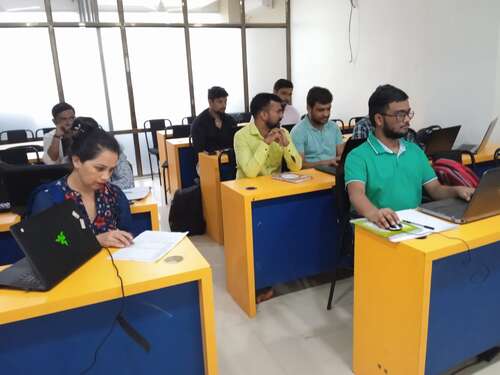

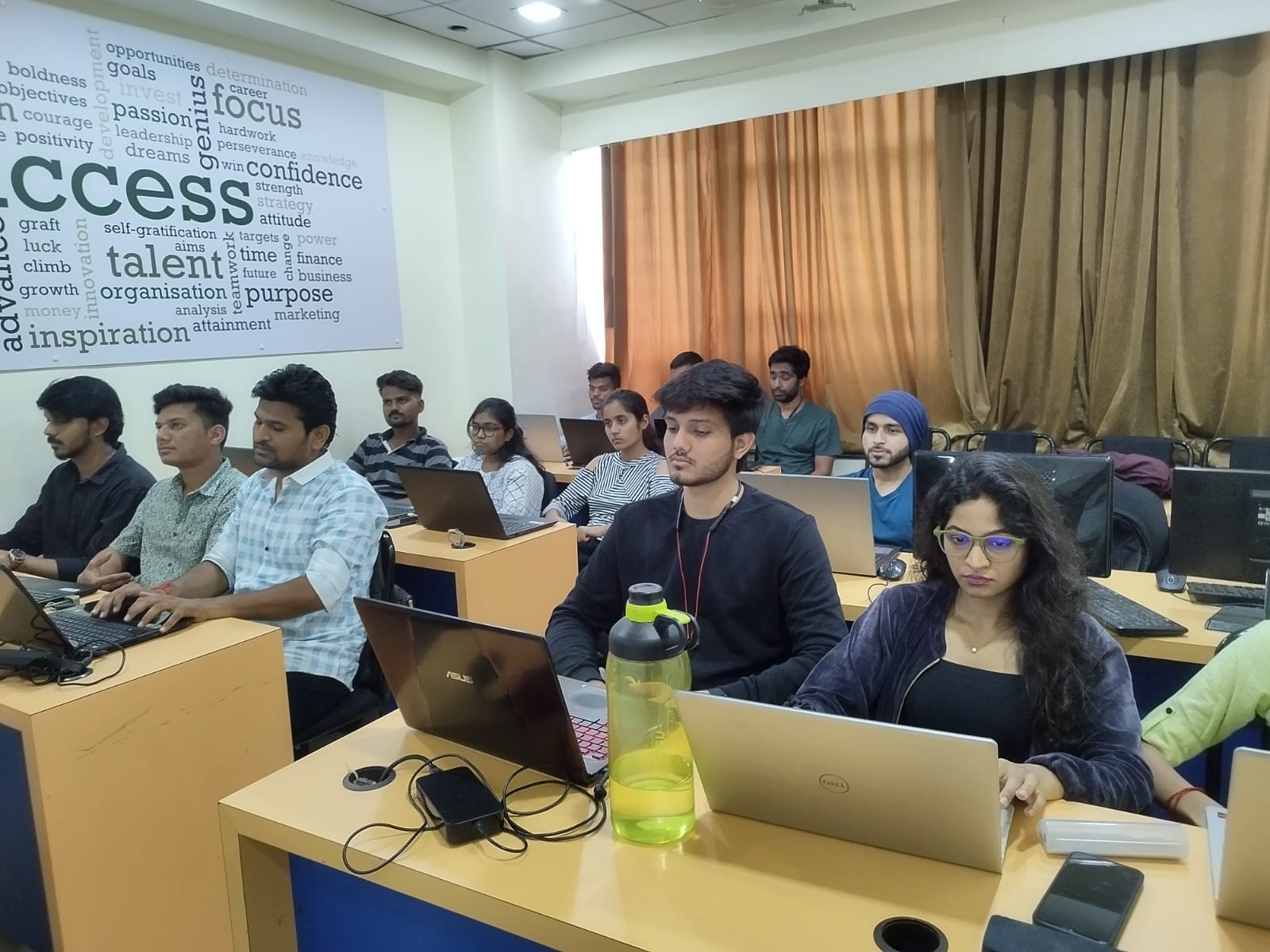
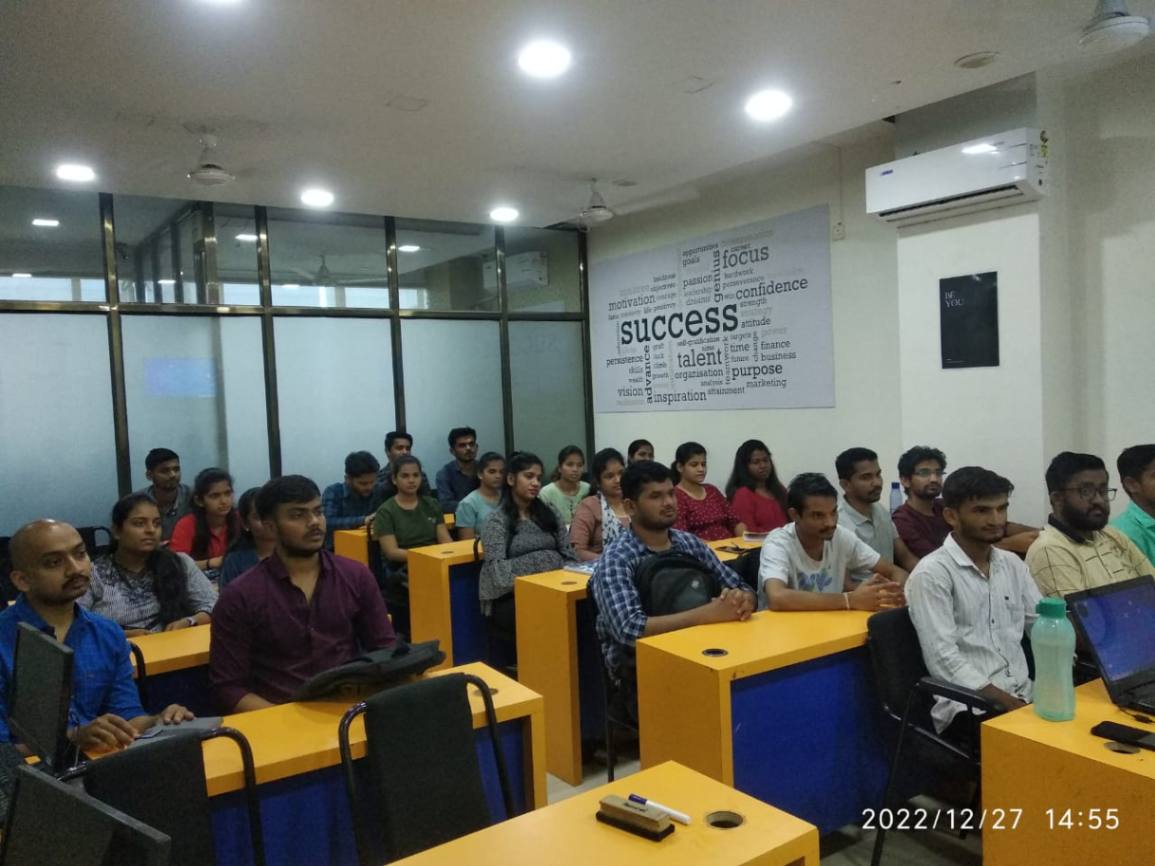

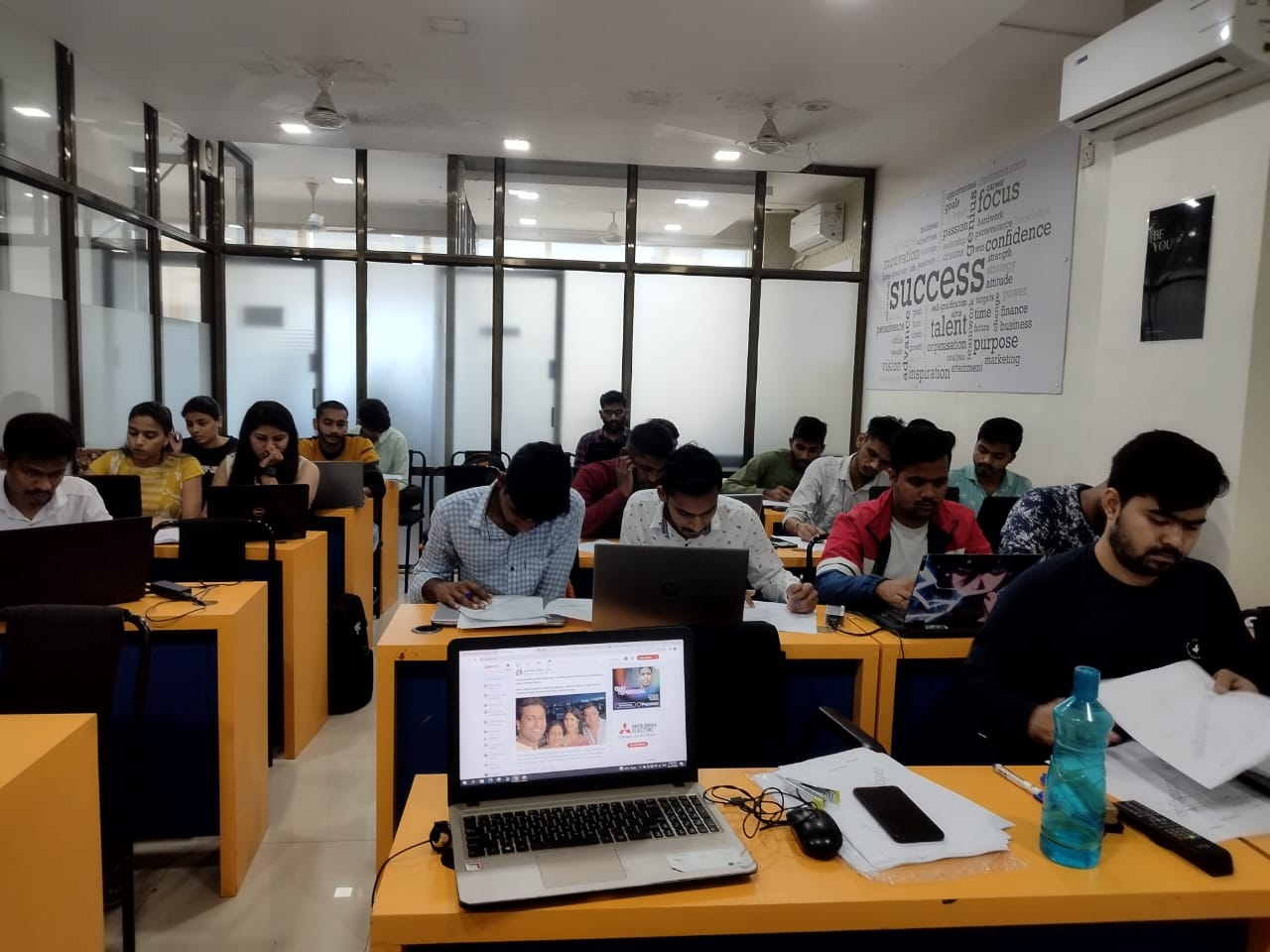



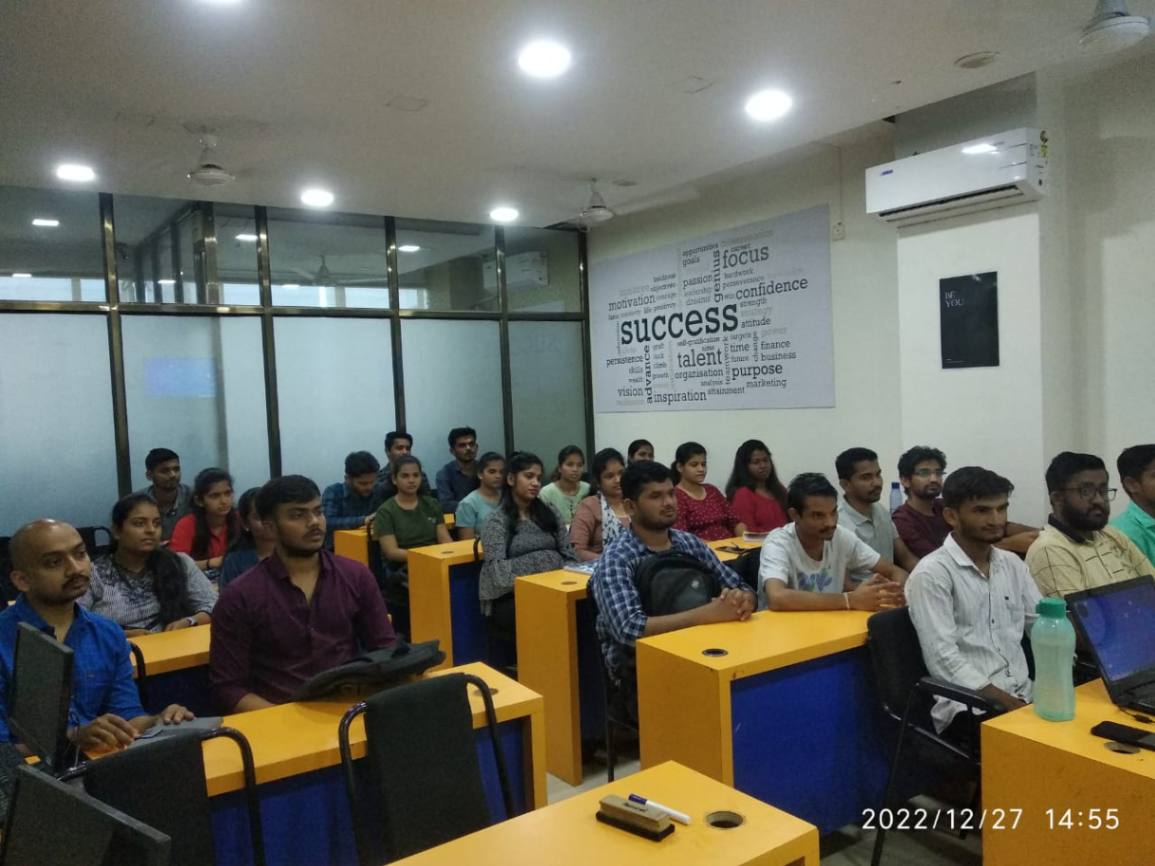
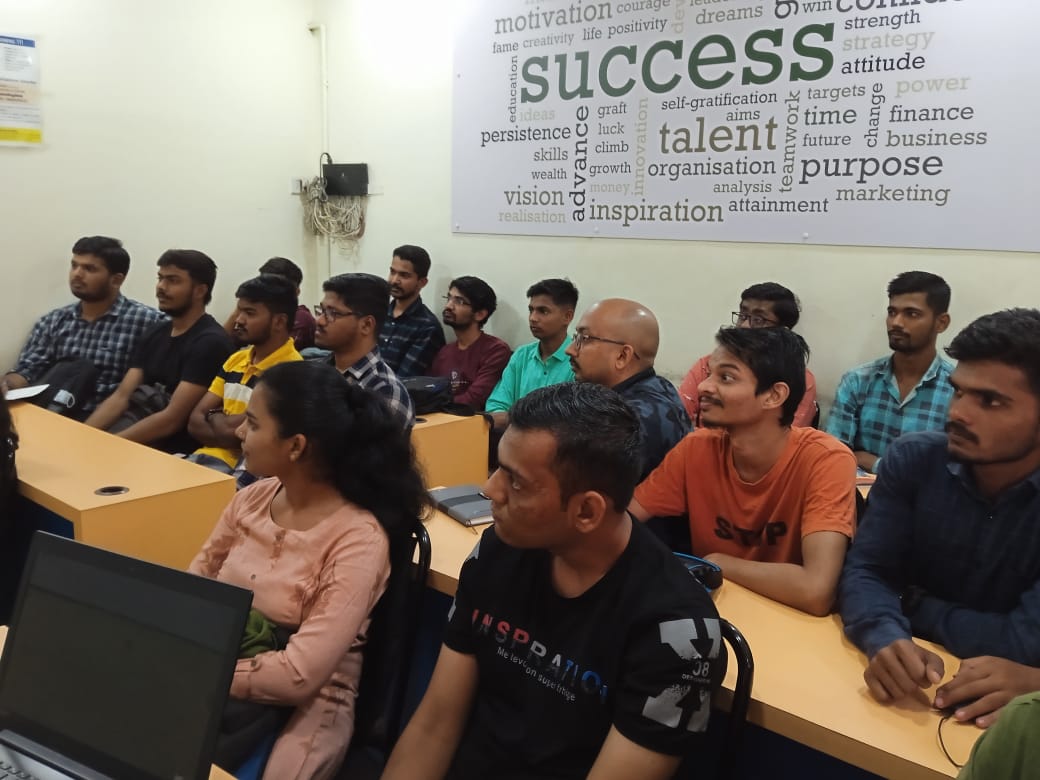

Pune is a Student’s Paradise
Queen of the Deccan or Oxford of the East, Pune is known by various names because of its wonders. And why not? Most of the top universities and professional courses are established here. It is counted as the second-largest IT hub in India. Having a population of about 5.05 million, Pune is a livable city witnessing a peaceful and beautiful aura. Being a charming fusion of contemporary and traditional, Pune experiences several tourist attractions yearly.
Some of the most visited attractions of Pune are:
- Sinhagad Fort
- Shaniwar Wada
- BAPS Swaminarayan Temple
- Aga Khan Palace
- Saras Bag
- Pashan Lake
- Khadakwasla Dam
Undoubtedly, Pune is considered a student’s paradise and continuously sees growth. Students from all over India show interest in enrolling in different courses offered by various organizations.
The great job opportunities, fantastic weather, and unsurpassed education make this place the best. Savitribai Phule Pune University, run by women only, is now positioned in 9th among the top 10 universities in India. This clearly shows the rich legacy of Pune and why students prefer to come here for their bright future.
Pune offers over 800 colleges that cover over 400-course programs in numerous disciplines. It’s not just the University of Pune; other universities and private institutions offer multiple courses. For every reason, Pune provides everything to prospective students so that they can see their bright future ahead.
3RI Technologies is a world-renowned institute offering Software Development courses to aspiring professionals. Our course helps you in mastering Cloud Computing, Web Technologies, AI, and machine learning technologies. You will get hands-on experience to get a clear idea.
AWS Certification Training
Locations Offered: AWS Course in Aundh, AWS Training in Kothrud, AWS Classes in Baner, AWS Classes in Pimpri Chinchwad, AWS Classes in Shivajinagar, AWS Classes in Karve Nagar, AWS Classes in Sangavi, AWS Classes in Deccan, AWS Course in Katraj, AWS Training in Warje, AWS Certification Course in Bavdhan, AWS Certification Classes in Vishal Nagar, AWS Certification Course in Pimple Gurav, Best AWS Training in Pune, Best AWS Course in Pune