
Learn about the must-have DevOps tools with the Periodic Table of DevOps Tools, a visual guide to optimizing your software development lifecycle.

Learn about the must-have DevOps tools with the Periodic Table of DevOps Tools, a visual guide to optimizing your software development lifecycle.

"Need Docker project inspiration? These beginner-friendly Docker project ideas for 2025 will enhance your skills and boost your confidence."

The Symbiotic Relationship: Understanding the Role of Microservices in DevOps
Microservices play a crucial role in DevOps by enabling agility, scalability, and resilience in application deployment. Their modular structure allows DevOps teams to streamline development, automate testing, and manage independent services efficiently, boosting productivity and reducing downtime. Discover the benefits of combining microservices with DevOps for optimal flexibility.

DevOps promises to bridge the gap between development and operations, enhancing collaboration, agility, and workflow efficiency. But with the surrounding hype, is it truly transformative for businesses, or just another fleeting trend? Discover if the investment in DevOps is worth it.

Scaling DevOps Successfully: Integrating People, Processes, and Platforms
Scaling DevOps requires a strategic focus on three core pillars: people, processes, and platforms. Empower your teams with the right skills, streamline workflows for efficiency, and leverage robust platforms to support growth. These elements, when harmonized, drive successful DevOps scalability and innovation. Discover strategies to scale your DevOps.
Azure DevOps – A Powerful Version Control Tool for Modern Development
If your goal is to collaborate on a game project, version control, often called source control, ought to be among your top priorities. You might be aware of GitHub if…

DevOps vs. Traditional SDLC: Understanding the Evolution in Software Development
DevOps revolutionizes the traditional SDLC, enhancing software delivery with automation, collaboration, and frequent deployments for better quality and efficiency.
The use of DevOps has completely changed how software is created, tested, and implemented in the quick-paced field of IT operations.This article examines the relationship between DevOps and SoD and how both can work together to accomplish governance and agility.
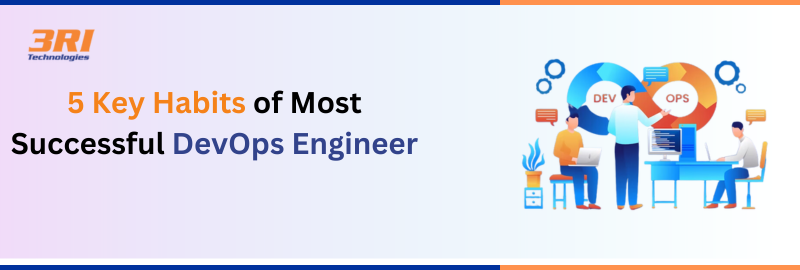
DevOps is changing the way software development is done. It does this by bringing together development and operations in a previously unimaginable way. This blog post will explore five essential advantages of DevOps.
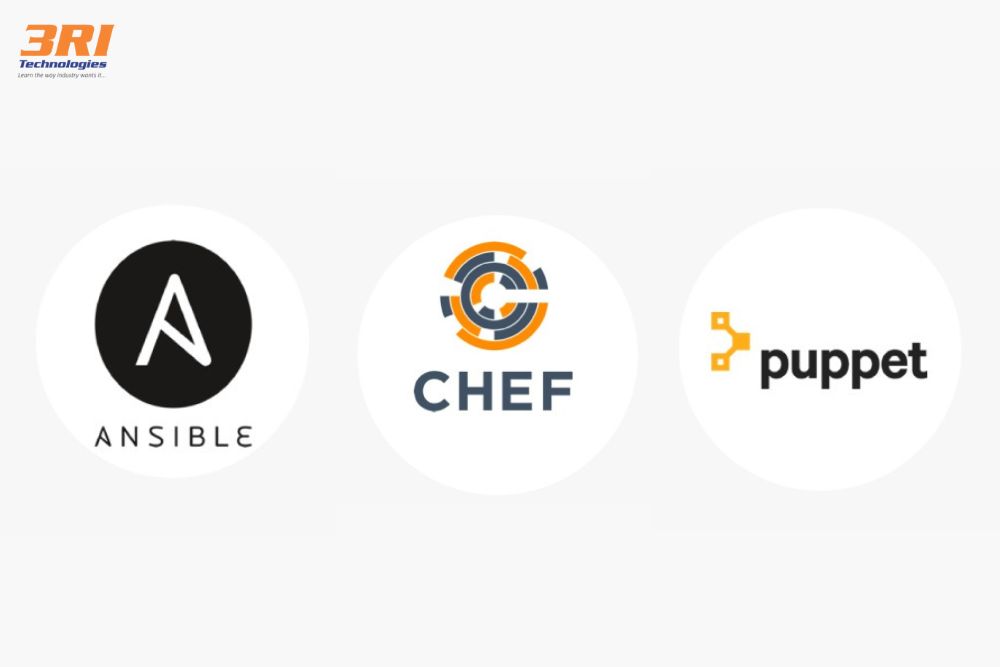
Ansible vs Chef vs Puppet: A Comprehensive Guide for DevOps Automation
Adopting the appropriate DevOps tools or platform for efficient configuration management is one of the major challenges for businesses looking to switch to DevOps. Even though there are many tools currently on the market that can, it is critical to decide which ones your team should use for the following project. To assist you in selecting the DevOps configuration management tool that should be a part of your stack, we've compared the three most well-liked DevOps configuration management tools: chef vs puppet vs ansible.