What is AWS Management Console?

AWS Management Console is defined as a web application that involves a vast collection of service consoles to manage AWS resources. Whenever you sign in, you will see a console home page. This home page offers access to every service console and information required to accomplish AWS tasks. Moreover, it also allows the user to customize the console home experience by removing, adding, and rearranging the widgets. 

Continue ReadingWhat is AWS Management Console?

Instructor-Led Training vs. Classroom vs. E-Learning: A Career-Oriented Comparison

Organizations that provide education and customer training aim to provide their clients with training that is simple to understand and accessible. For training firms, the correct customer training offers can be a reliable source of income, but there are several different strategies to consider.

Continue ReadingInstructor-Led Training vs. Classroom vs. E-Learning: A Career-Oriented Comparison

Instructor-Led Training vs. Self-Paced Learning: Choose the Right Learning Path

  • Post category:Blog

An instructor-led training course is the best option for you if the answers to these questions are affirmative. Otherwise, you should go with self-paced education. However, you could try the combined learning approach if you didn't receive a definitive response or wish to benefit from both ways. ILT and self-learning are both included in this teaching strategy.

Continue ReadingInstructor-Led Training vs. Self-Paced Learning: Choose the Right Learning Path

Abstract Class vs Interface in Java: What’s the Difference?

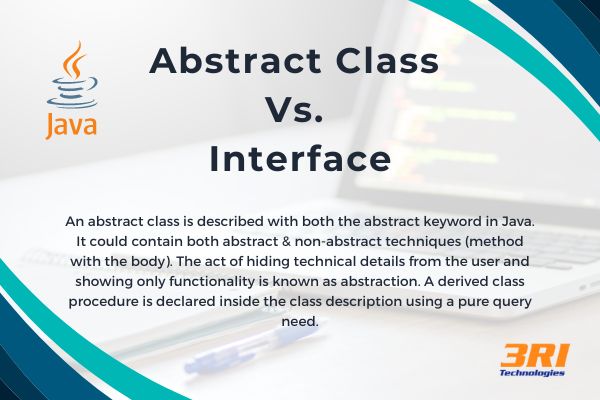
An abstract class is described with both the abstract keyword in Java. It could contain both abstract & non-abstract techniques (method with the body). The act of hiding technical details from the user and showing only functionality is known as abstraction. A derived class procedure is declared inside the class description using a pure query need.

Continue ReadingAbstract Class vs Interface in Java: What’s the Difference?

Java vs. C++: An Ultimate Guide to the Key Differences

There are numerous distinctions between java vs. c++, some more subtle than others—the difference between c++ and java in terms of platform dependencies, memory management, and class usage. C++ is platform-specific and must be compiled on each platform. Java is platform agnostic. Once completed, it could be executed on every platform when converted to bytecode. Memory management in Java is system-controlled, whereas memory management in C++ is manual.

Continue ReadingJava vs. C++: An Ultimate Guide to the Key Differences

End of content

No more pages to load